

We identify the cause through precise diagnosis and perform safe re-operation.
Grace constantly strives to suggest the most appropriate surgical methods and produce the best results.
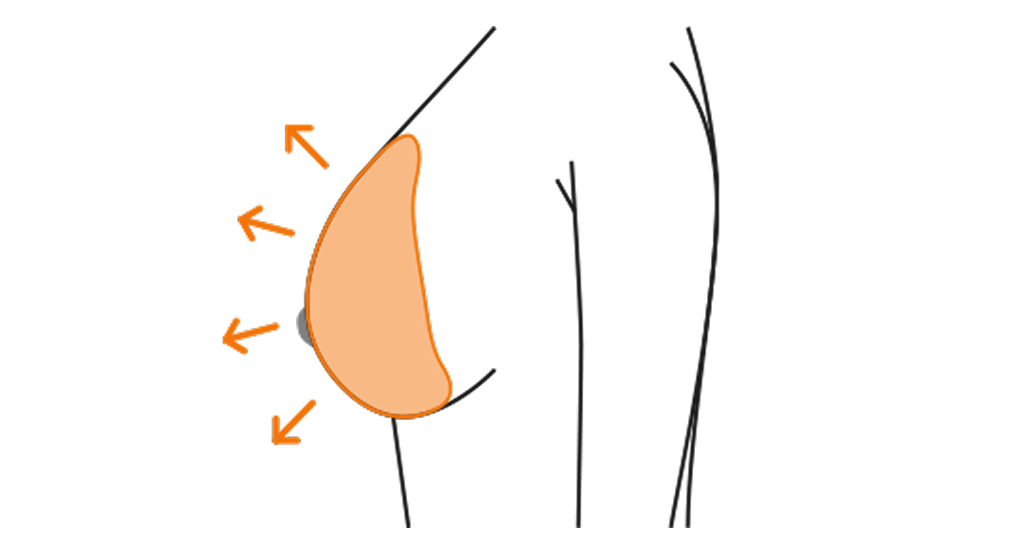
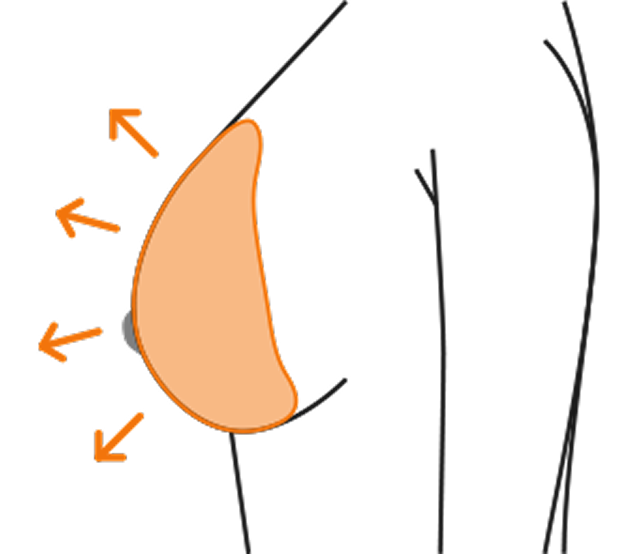
This refers to a phenomenon where the capsule surrounding a breast implant thickens and hardens, causing the entire breast to become stiff. To resolve capsular contracture, Dr. Choi Moon-seop considers it most important to ensure that the new breast implant is placed into healthy tissue rather than within the capsule.
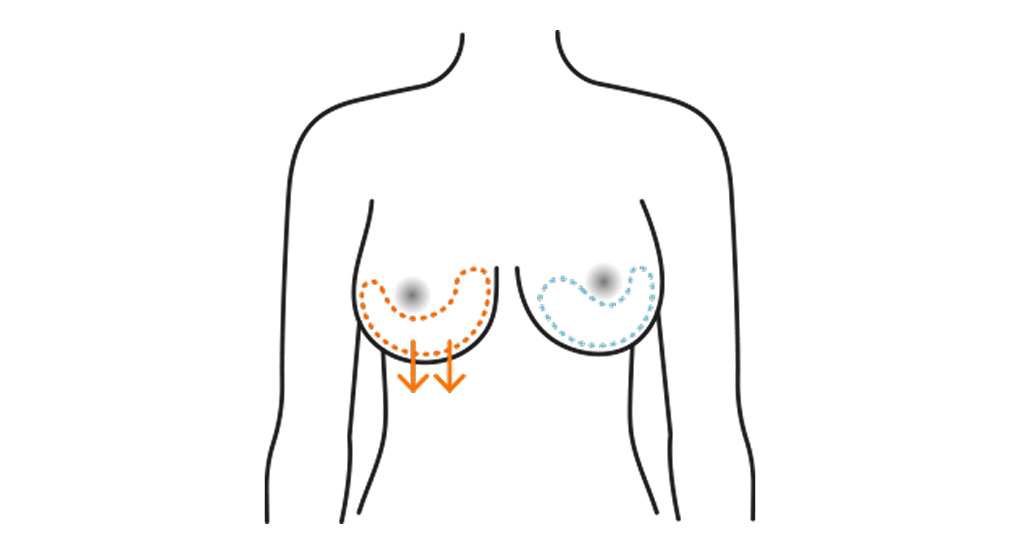

It refers to the breast implants going down below the breast underneath the breast. To address this issue, remove all the film that lies below the breast underneath → sometimes remove the upper part of the cavity with the implant → thoroughly perform internal sutures to ensure the exact base of the breast, and above all, prevention is of utmost importance.
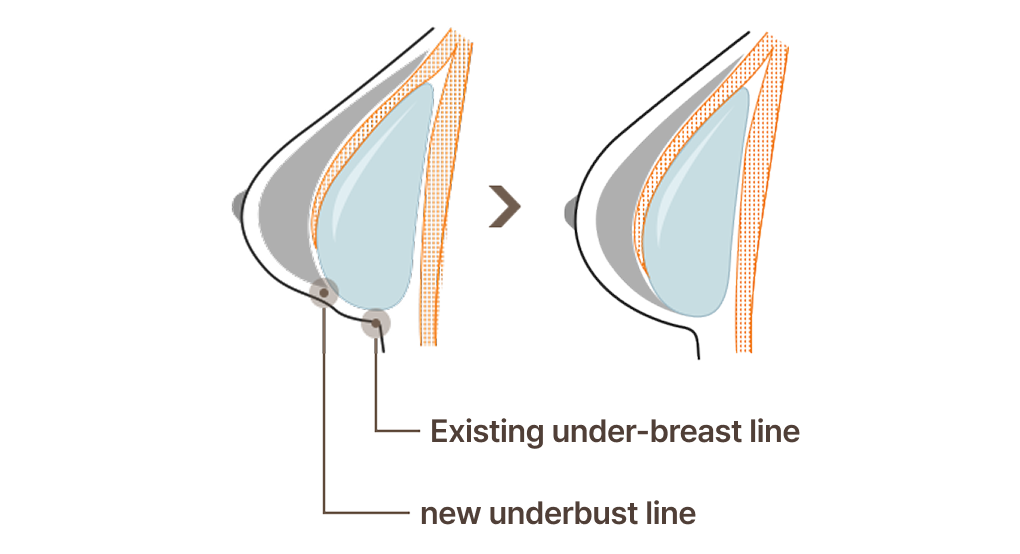
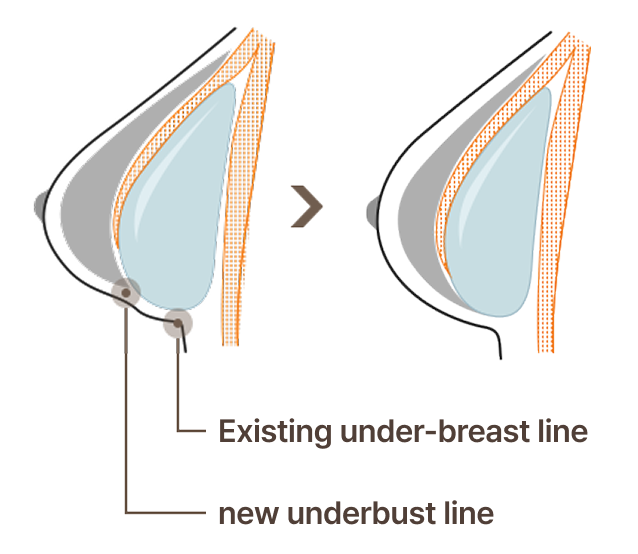
This occurs when the lower breast crease is not sufficiently loosened to be very distinct; it refers to a situation where the existing crease does not disappear and remains visible over the newly created crease resulting from breast augmentation surgery.
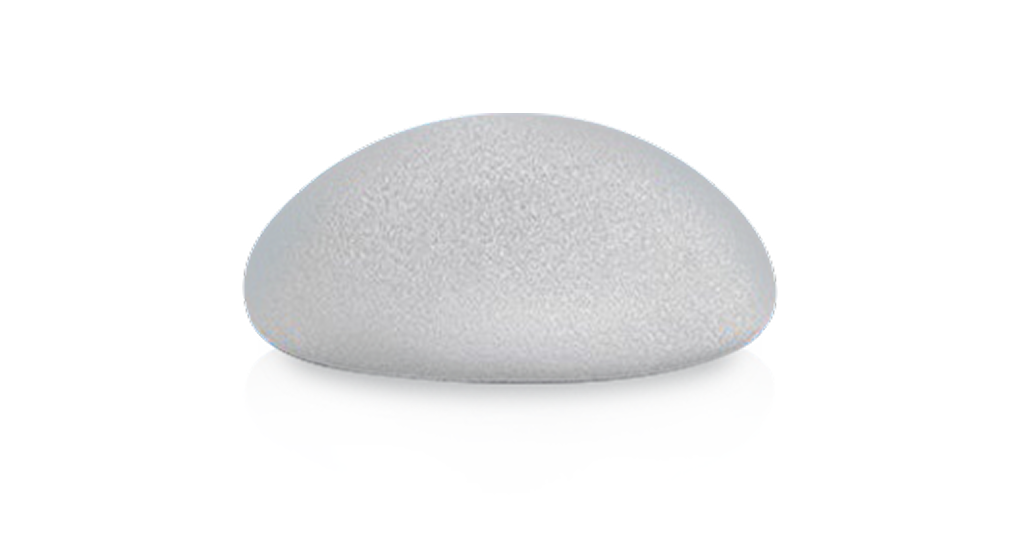
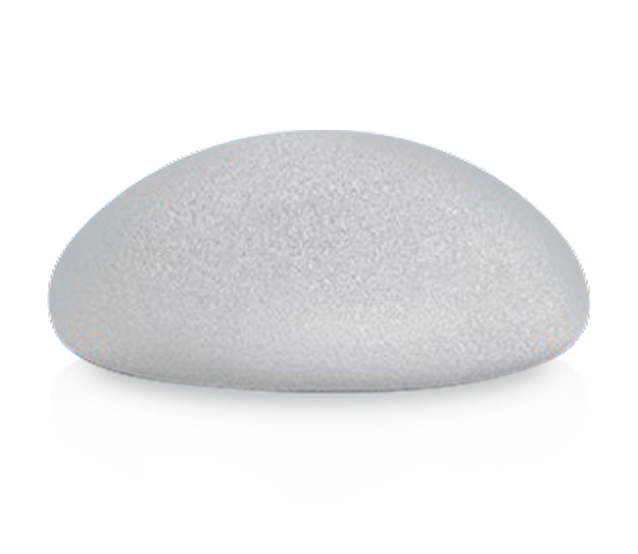
It is known that implants with rough surfaces are associated with the development of anaplastic large cell lymphoma (BIA-ALCL).
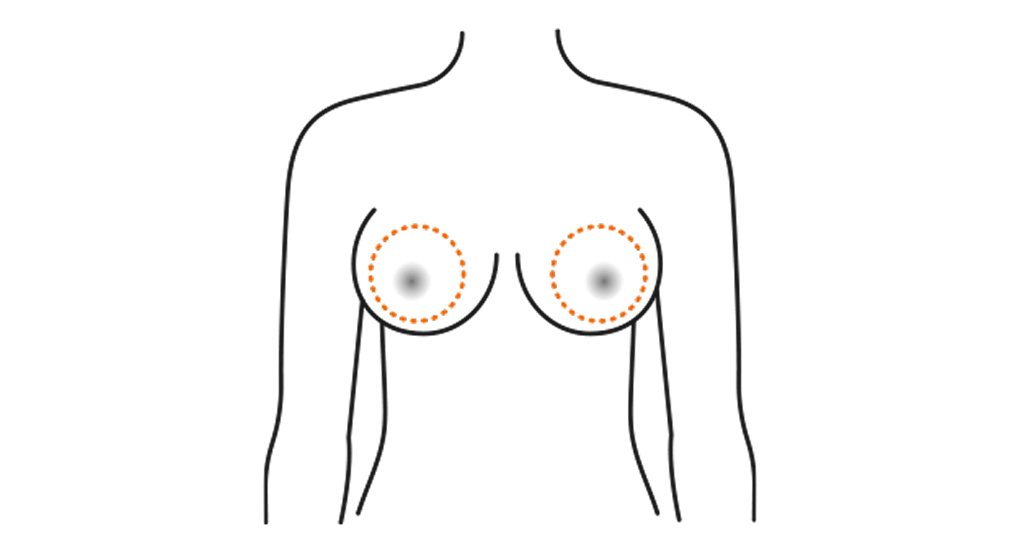
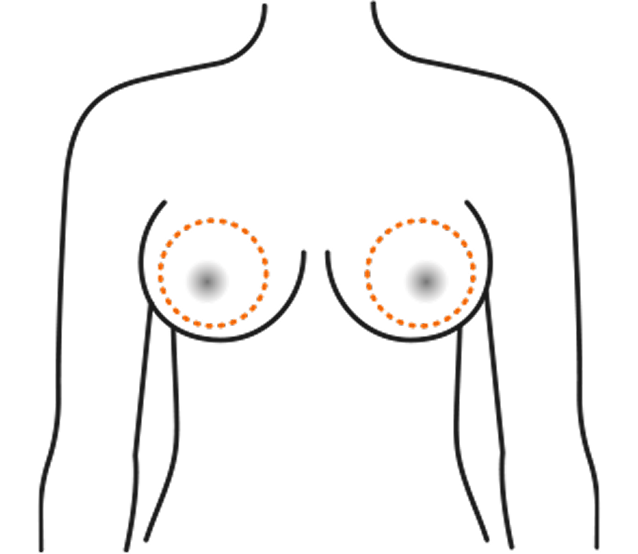
With Grace's unique implant size determination system, you can accurately determine the implant size you desire. Nevertheless, if a size change is necessary, we recommend doing so early in the surgery if possible, or after six months.

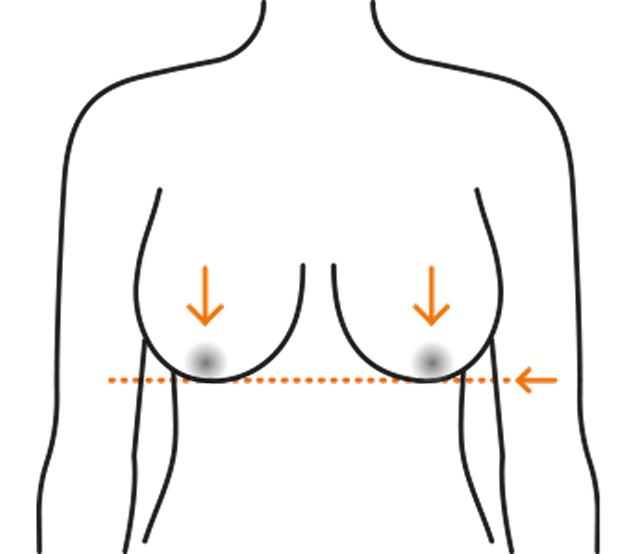
This occurs when breast implants are inserted completely beneath the muscle rather than using the dual-plane method, and the breast tissue sags over time. Typically, the nipple points downward, and the upper part of the breast appears bulging. The surgery is performed by changing the implant placement to the dual-plane or subfascial plane while sufficiently releasing the existing inframammary fold.
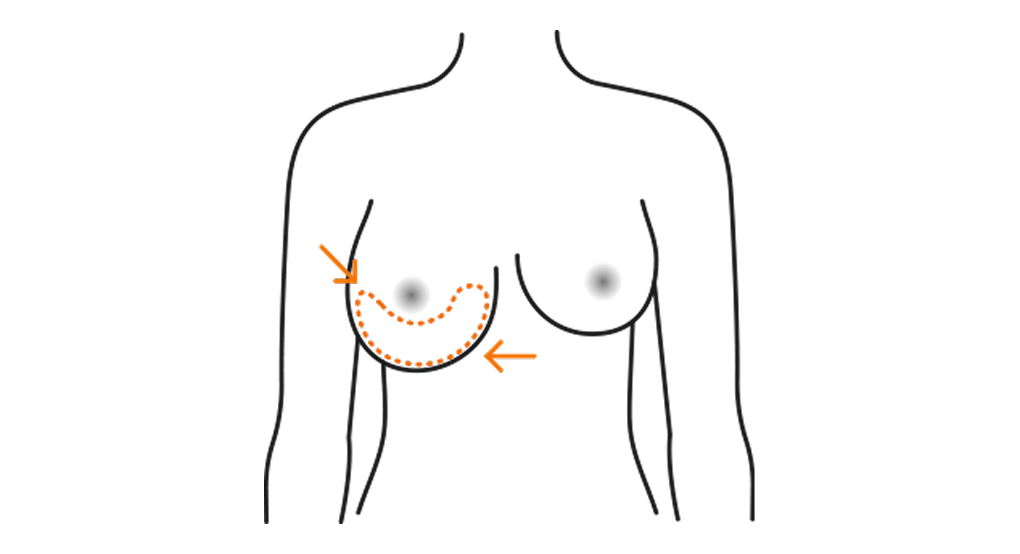

Recently used silicone gel breast implants do not cause any noticeable symptoms even if a rupture occurs. For this reason, regular breast ultrasound or MRI examinations are recommended.

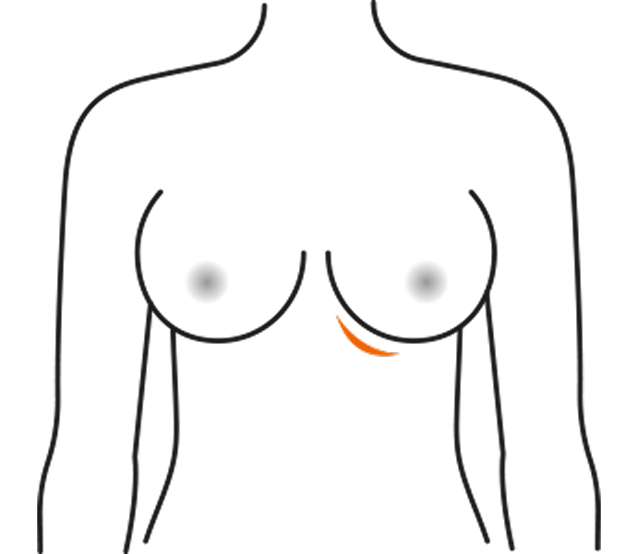
In breast augmentation, the areas where scars can form are the armpits, the inframammary fold, and the vertical incision beneath the areola. At Grace, thanks to our meticulous suturing and expertise in scar management, you do not need to worry much about unsightly scars, and we collaborate with a dermatologist to minimize scarring.