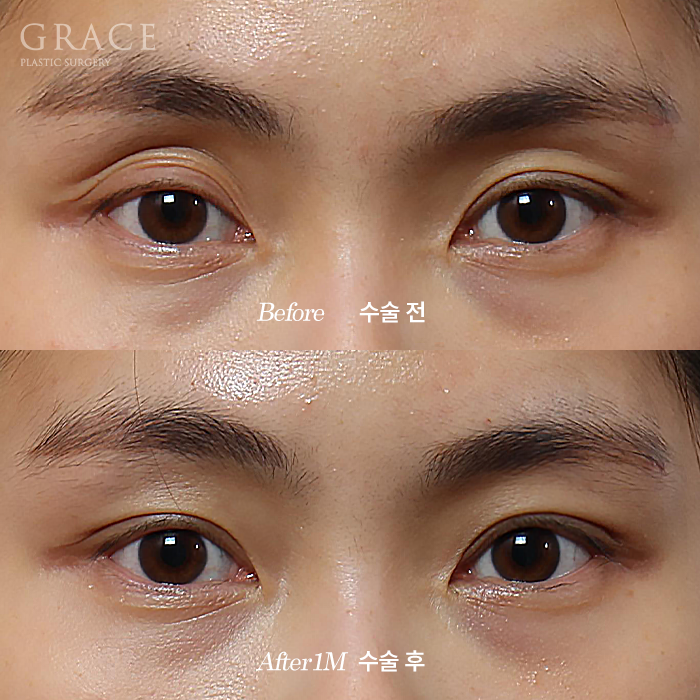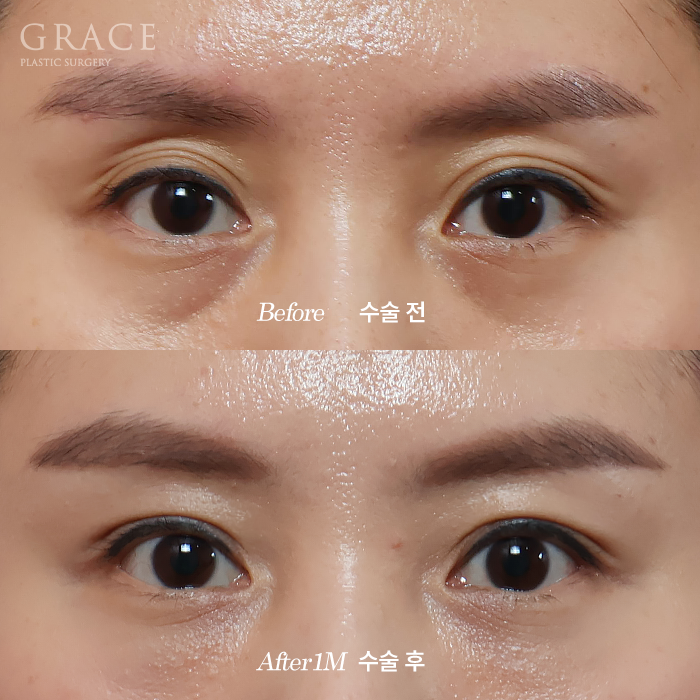

Restoring sunken eye sockets with the precise amount
using a custom-made cannula
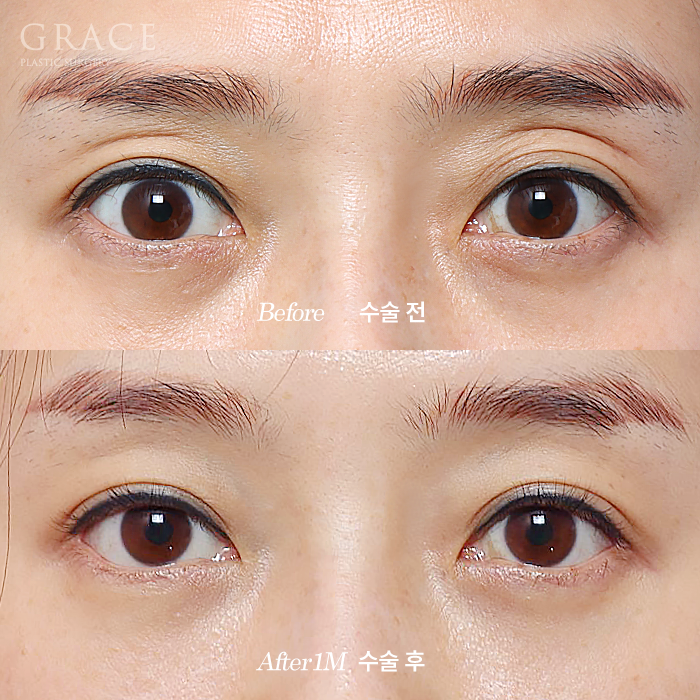
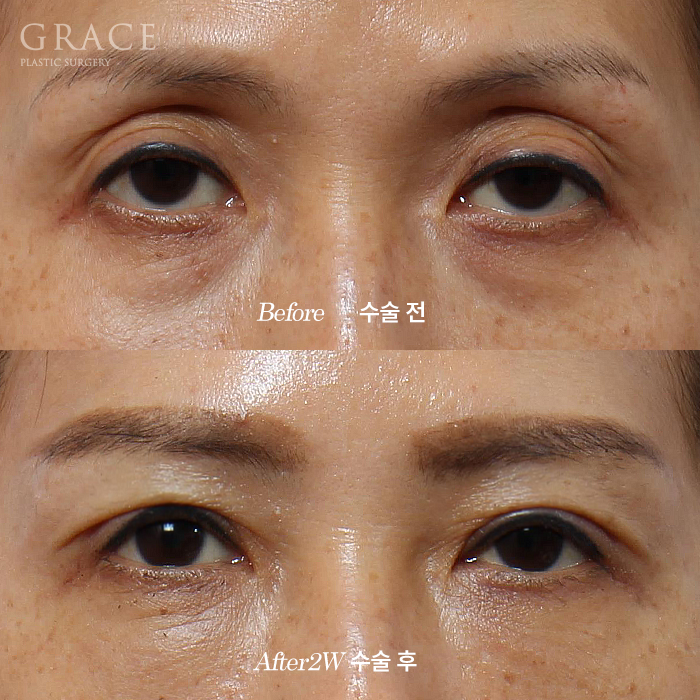
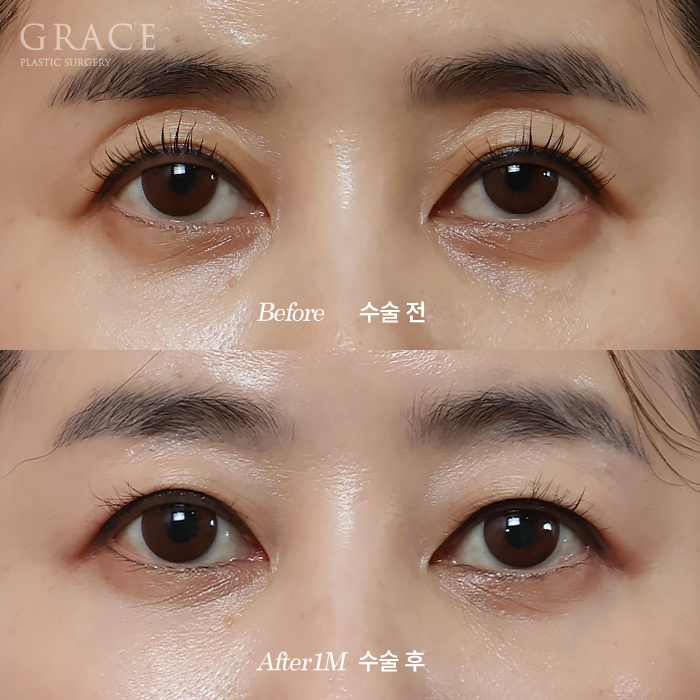
Eyelid fat grafting is a procedure that restores volume and elasticity
to sunken areas above the eyes or in the eye sockets by transplanting autologous fat.
It improves the tired or aged appearance caused by hollowness
and makes the eye shape softer and more defined.
Within 30 minutes
Fat extraction (Sedation)
Skin injection (Local)
3–4 times
None
Approximately 3 days


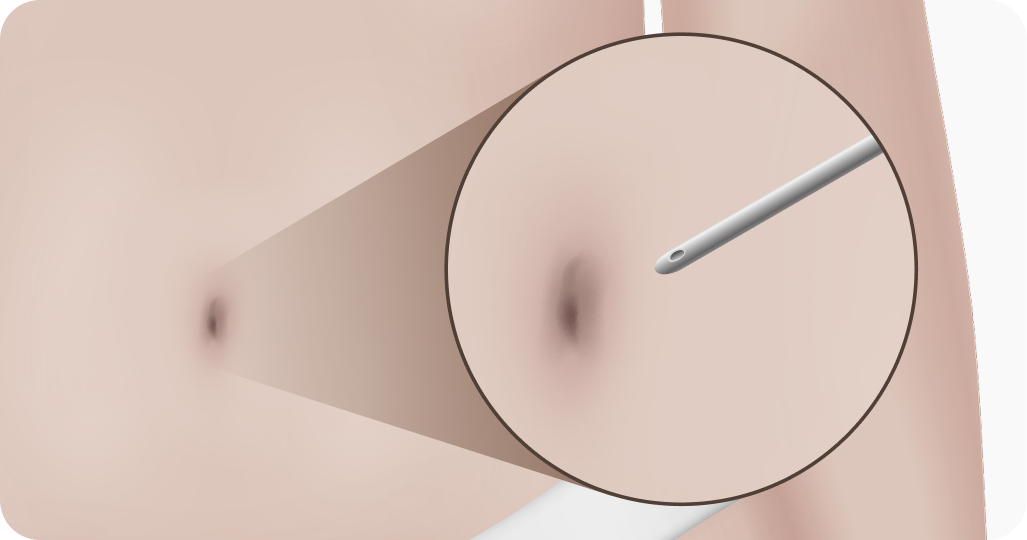


Selectively extract only fat with uniform particle size
and purity from fat harvested from the thighs or abdomen


Develop a plan based on a comprehensive consideration of the sunken eye socket area, eye structure, muscle movement, and skin thickness


Inject an appropriate amount deep into the orbital fat layer
using a custom-made cannula
Understanding the precise structure makes a difference in results.
Grace anatomically analyzes the cause of sunken eyelids
to deliver natural and long-lasting results.
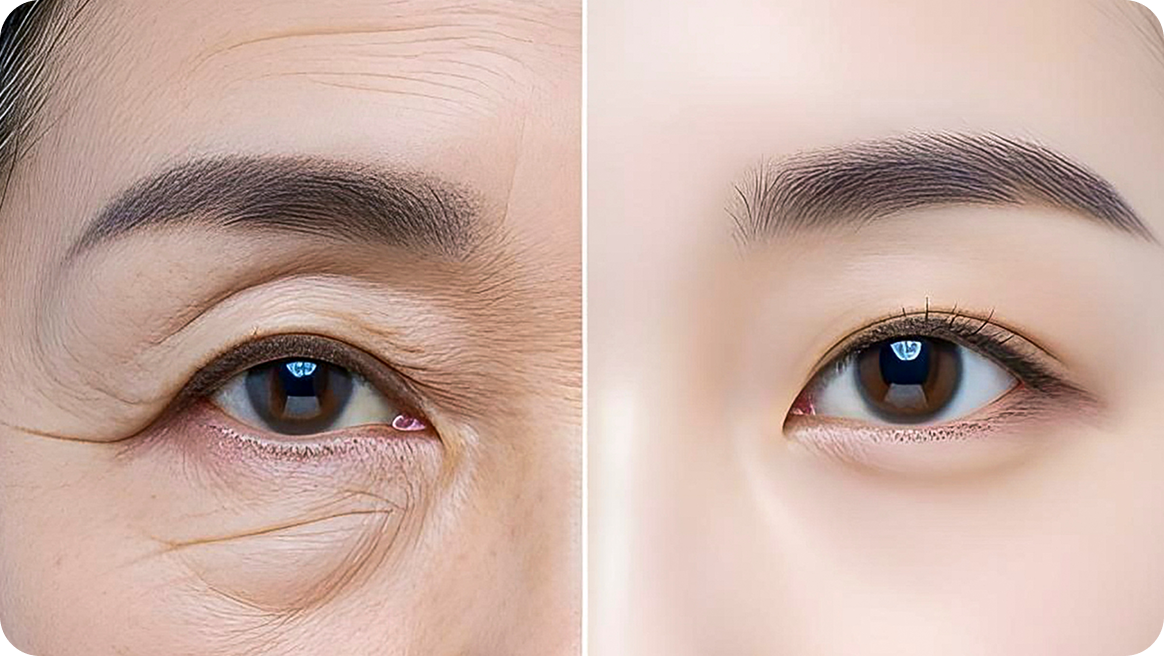
Grace injects fat into the orbital fat layer.
This is a precision surgery that goes beyond a simple procedural difference to resolve the fundamental cause of sunkenness.
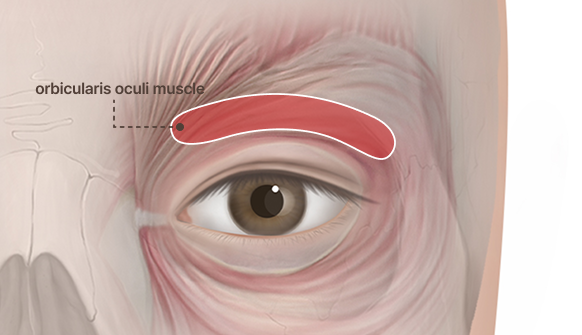

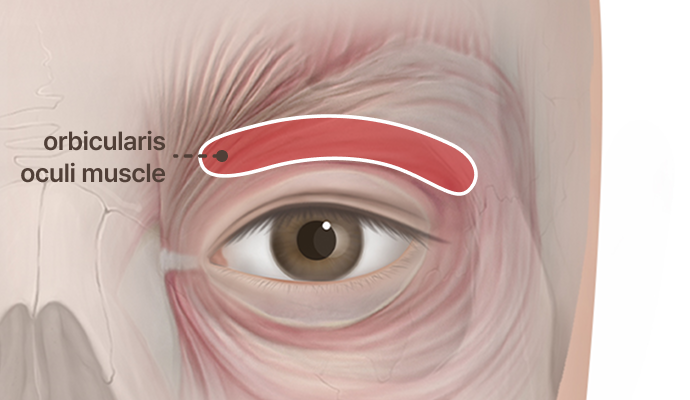 another hospital


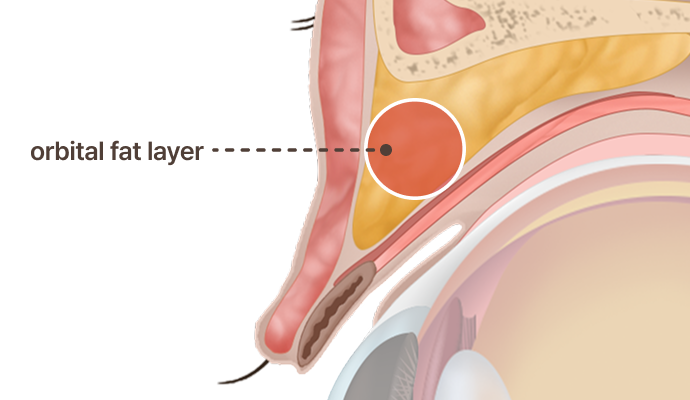 Grace Plastic Surgery
More than half (52%) of patients who previously had
difficulty opening their eyes showed improvement.
Including patients who had the problem from the start,
94.5% of the total experienced "easier eye-opening."
Consequently, eyelid fat grafting improves
function rather than simply adding volume.
Functional Improvement
Satisfaction
Grace examines the 'structure,' not just the superficial appearance of the hollowness.
It anatomically diagnoses everything from the strength of the eye-opening muscles (levator muscles) and the location of the fat layer to forehead movement.


Orbital fat is maintained in a balanced manner,
and the connection between the levator muscle and the tarsal plate is stable.


As fat decreases and muscles relax,
the forehead and eyebrows rise excessively when opening the eyes.

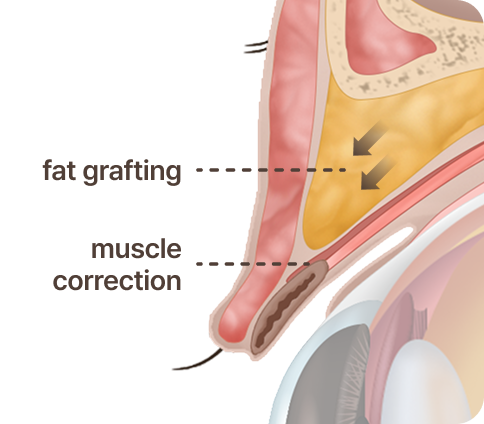
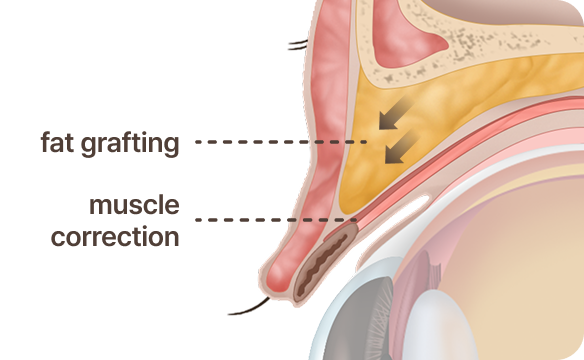
Restoring the tension of the eye-opening muscles causes
the fat to shift forward, creating natural volume.
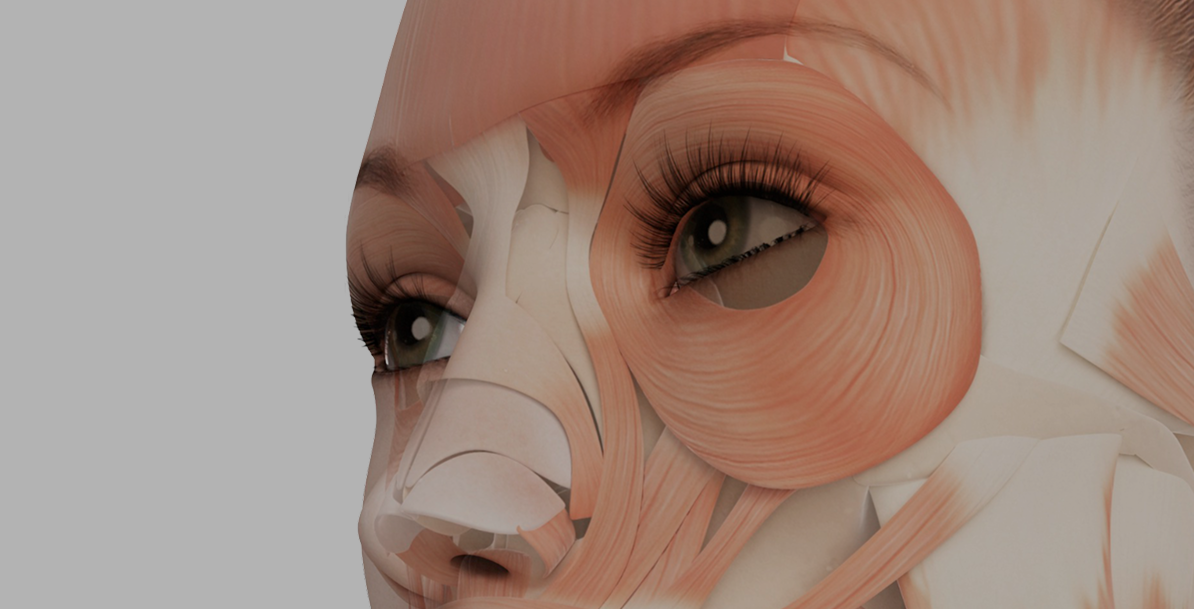
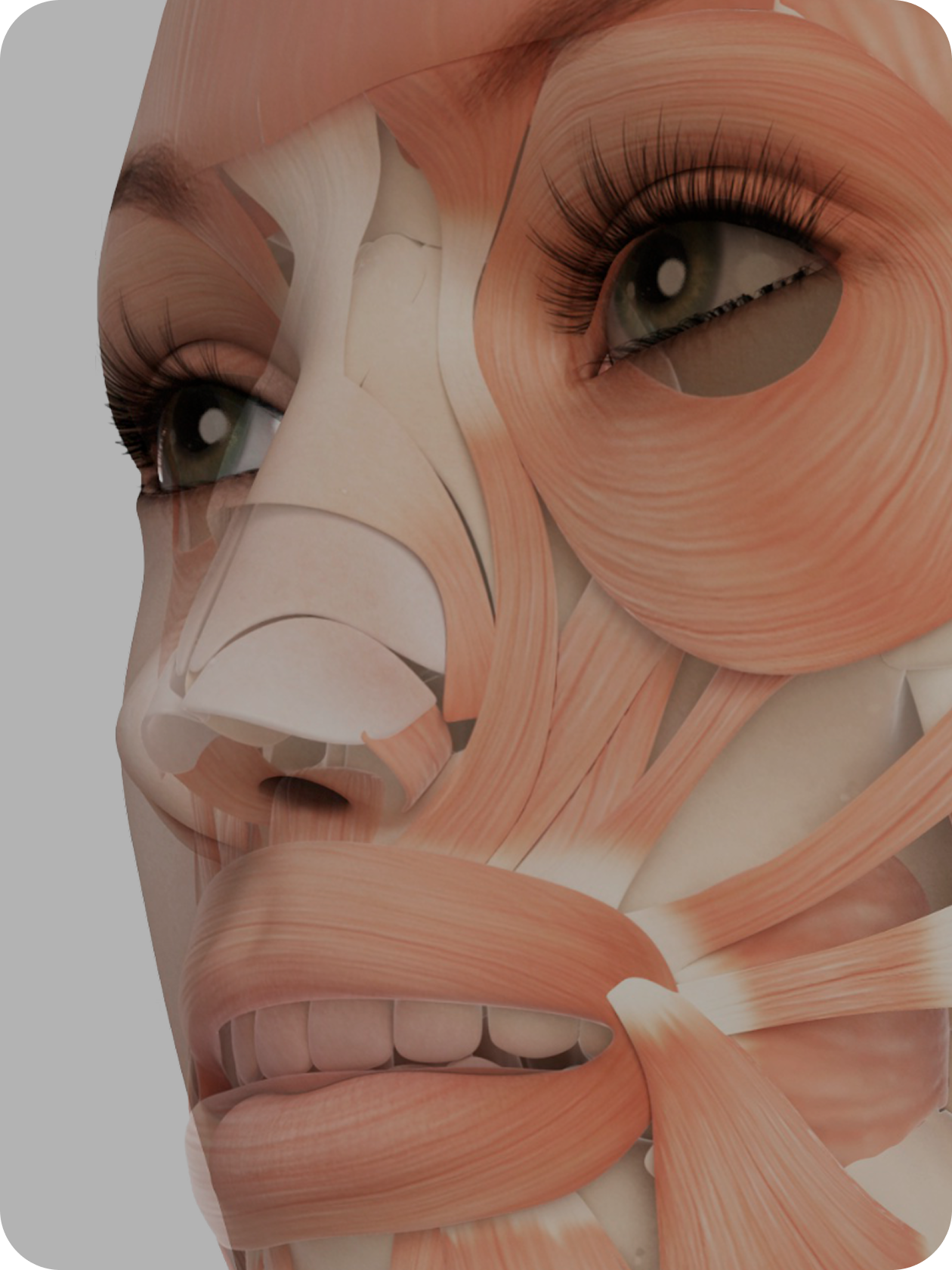
Muscle Diagnosis


Fat Layer Analysis


Eye Shape Balance Design

Why are you talking about eyelid correction when this is an eyelid consultation?
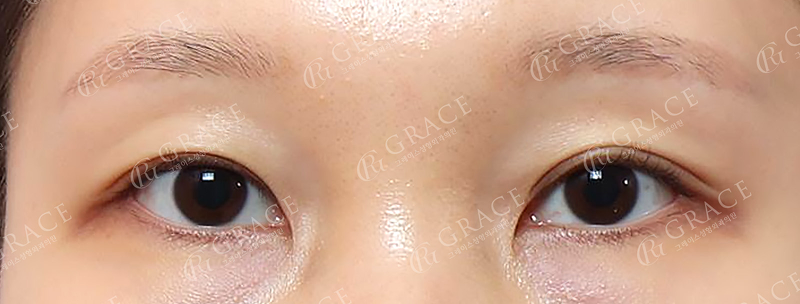
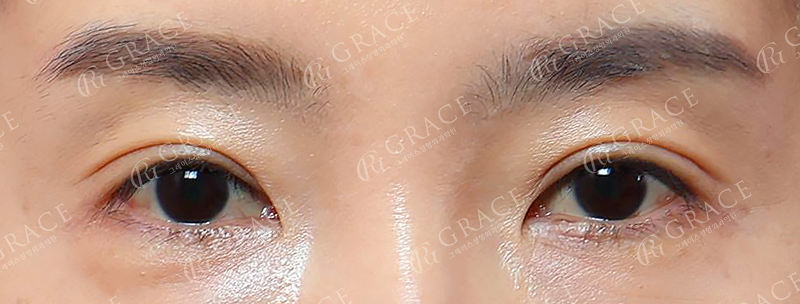
Eyelid Fat Grafting
Eyelid Fat Grafting
+ Eyelid Correction
To resolve hollowness, fat grafting alone is insufficient;
weakened muscles must also be corrected to restore eye balance.
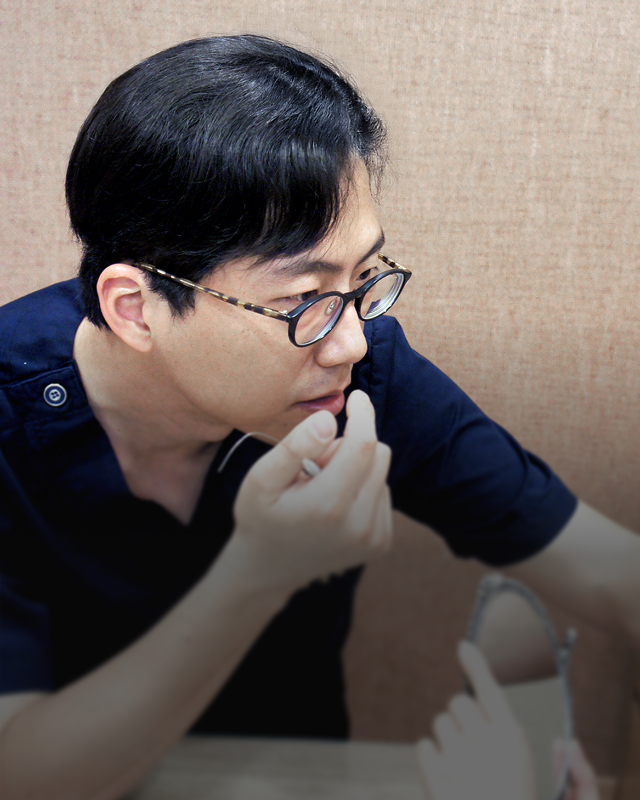
Grace sets clear diagnostic standards.
We do not exaggerate results or recommend excessive procedures,
and we suggest the right direction
based on each patient's condition and needs.
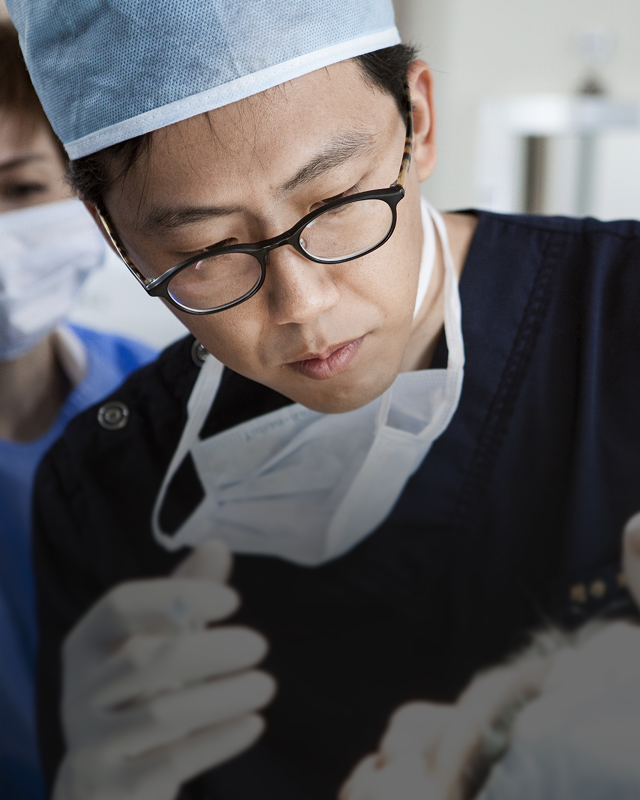
From consultation, design, surgery, to follow-up care,
the director personally handles every step.
Since neither the doctor nor the process changes, responsibility is never divided.
The person you first consult with stays with you until the end.

We incorporate the latest findings into clinical practice through continuous research and academic presentations.
All procedures are based on verified evidence and accumulated experience,
delivering more refined, safe, and unparalleled technical expertise.
A portion of the grafted fat engrafts and remains semi-permanently. However, the absorption rate may vary depending on individual constitution, skin thickness, and lifestyle habits.
Typically, about 60–80% settles stably, and if this is insufficient, a second supplementary graft is recommended.
Although it varies from person to person, you can return to your daily routine in about 3 to 5 days. There may be some slight swelling or bruising initially, but in most cases, it subsides naturally within a week.
No. Grace fills the area based on anatomical injection depths, so the eyes do not swell unnaturally on the surface. The key is 'location, not quantity.' By injecting at the precise depth, we create a natural and clear impression.
In some cases, combining them is much more effective. This is because sunken eyes are caused not only by a lack of fat but also by the weakening of the eye-opening muscles (levator muscles). Performing eyelid correction alongside this restores structural balance and makes the facial features look sharper.
Yes, it is different. Frozen fat can cause cell damage, resulting in a lower engraftment rate. At Grace, we use only pure autologous fat and transplant it immediately after purification. This method offers the most stable engraftment rate and longevity.